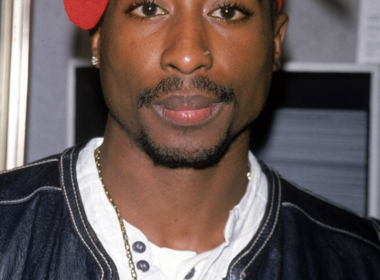
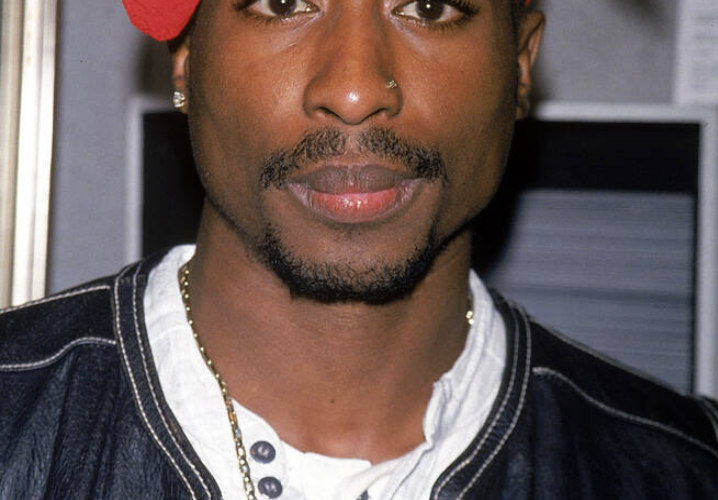
Netflix is preparing to release previously unreleased portions of Tupac Shakur’s 1996 interview with Angie Martinez. The conversation will form the centre of a four-part video podcast event titled The Tupac Tapes With Angie Martinez.
The series arrives on November 27, 2026, nearly 30 years after the original recording. Martinez held onto the interview for decades. She recorded it just months before Tupac’s death, when tensions between the East Coast and West Coast hip-hop scenes were high.
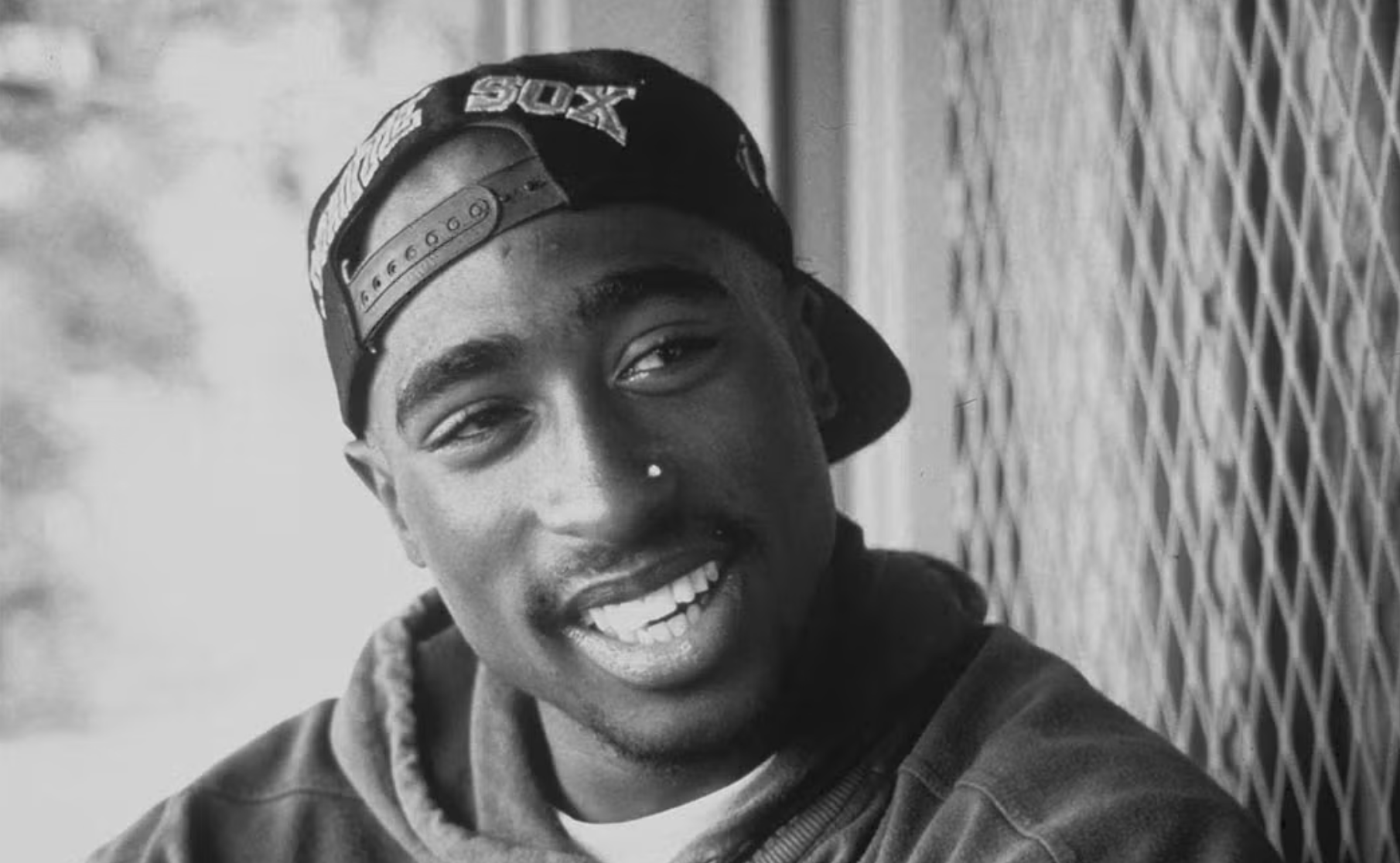
At the time, Martinez was a young radio personality building her career in New York. Tupac had reached out about her appearing in his “I Ain’t Mad at Cha” video. She declined because of the tension surrounding him, but the two later spoke at his invitation in Los Angeles.
During their conversation, Tupac wanted to clarify that his problems were not with all of New York. Martinez felt the discussion offered an important perspective. However, she also recognised the risks of releasing every part of their exchange.
Martinez previously aired selected parts of the interview, but kept back sections she considered more inflammatory. She worried that some comments could hurt people, damage relationships and add to an already dangerous situation.
She explained that she wanted to protect the recording rather than allow its most explosive moments to circulate without context. Now, she believes enough time has passed to examine the conversation more carefully. She told Netflix, “I felt a responsibility to protect something that was never meant to become his final statement.”
The four-part format will bring other voices into the discussion. Guests include Charlamagne Tha God, Joe Budden, Big Boy, Dream Hampton, RZA and Wallo. They will reflect on Tupac’s life, his music and the cultural tensions surrounding the interview.
The series will not simply present the recording as a collection of shocking statements. Martinez wants viewers to understand the period, the people involved and the pressure surrounding the conversation. That context is important because Tupac was only 25 when he died.
For hip-hop, the release offers another chance to hear Tupac in his own words. It also brings attention to Martinez’s role in preserving a conversation that might otherwise have remained private.