
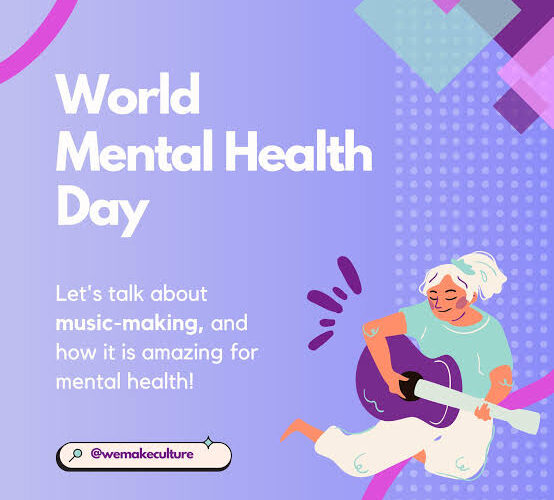
As the music industry marks World Mental Health Day on October 10, 2026, attention has returned to the psychological pressures facing artists, touring crews, songwriters and other professionals working behind the scenes. The annual observance has renewed discussions about access to mental health care, the demands of touring and the need for sustained support across the music business.
This year’s World Mental Health Day campaign, led by the World Health Organization, carries the theme “Lived experiences heard: real voices, real change.” The campaign calls for people who have experienced mental health conditions to play a meaningful role in shaping policies, services and decisions affecting their lives. The WHO has emphasized that listening to personal experiences must be accompanied by opportunities for people to influence how mental health services are designed and delivered.

Within the music industry, long working hours, irregular schedules, financial uncertainty and extended periods away from home continue to feature in discussions about wellbeing. Touring musicians and crew members may move between cities for weeks at a time, often working late at night while managing travel, rehearsals, performances and promotional commitments. For emerging artists and smaller touring teams, access to professional support can be particularly difficult when budgets and resources are limited.
Recent initiatives have sought to expand access to industry-specific mental health services. In May 2026, Universal Music Group announced partnerships with Amber Health and Project Healthy Minds as part of an expanded wellbeing strategy. The arrangement with Amber Health is intended to provide mental health services to artists and songwriters in North America, including support designed around the realities of touring, live events and music-related work.
Spotify for Artists has also highlighted B-LINE, a confidential, round-the-clock mental health and crisis support service for people working in the US music industry. Operated by Backline in partnership with Vibrant, the service is available to a broad range of music professionals, including artists, songwriters, managers, agents, venue staff, touring crews and their families. The service reflects growing recognition that mental health support needs to extend beyond performers to the wider workforce that makes live music and recordings possible.
Backline, a nonprofit dedicated to connecting music professionals with mental health resources, marked seven years of its work in October 2026. Its services and industry partnerships form part of a broader effort to address the needs of people whose work can involve unpredictable schedules, periods of isolation and the pressures associated with sustaining a career in music.
Touring support has also become a focus for established artists and their teams. In September, a member of Radiohead discussed the psychological strain that can accompany life on the road, recalling the isolation and anxiety experienced during the band’s early tours. The group has worked with the Music Industry Therapist Collective to make confidential therapy and introductory wellbeing sessions available to touring personnel. The collective has also introduced the Pay It Forward Fund, which aims to help smaller touring teams access mental health professionals with experience of the music business.
Financial stability remains another part of the discussion. The annual Wellness in Music Survey conducted by MusiCares gathers information about the health, finances and overall wellbeing of music professionals. Findings from the 2025 survey, which attracted nearly 3,200 participants, highlighted concerns involving financial insecurity, inconsistent access to healthcare and the demands of touring. The 2026 survey opened in April to collect further information from professionals across different roles and genres.
Mental health advocacy has also featured in artists’ public work. Ahead of this year’s observance, Swedish singer Zara Larsson was named The Trevor Project’s 2026 Mental Health Champion of the Year in recognition of her advocacy for LGBTQ+ young people and her openness about mental health. The recognition formed part of wider efforts to use public platforms to challenge stigma and draw attention to the support needs of vulnerable communities.
Music companies and platforms have also explored how music itself can be incorporated into wellbeing initiatives. In October, audio wellness platform Sollos released 151 re-engineered tracks through Apple Music’s Sound Therapy offering, featuring music associated with artists including Olivia Dean, Sam Smith, Shawn Mendes, Niall Horan and Jon Batiste. The project uses modified audio designed for listening sessions focused on relaxation, sleep and concentration, adding another dimension to the industry’s wider engagement with mental wellbeing.
As World Mental Health Day 2026 concludes, the music industry’s response includes a combination of dedicated support services, touring-based therapy initiatives, research and public advocacy. The WHO’s campaign places particular emphasis on ensuring that people with lived experience are involved in shaping mental health systems, while music organizations continue to develop services intended to reach artists and workers across the industry.