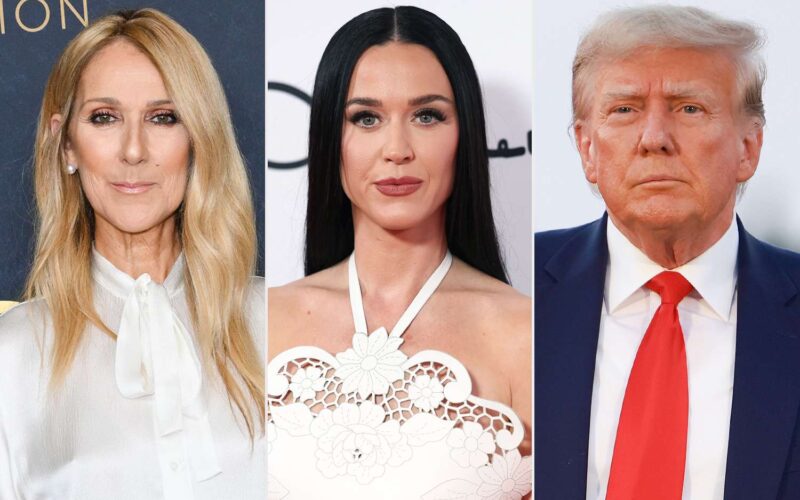
Musicians have repeatedly objected to Donald Trump and his administration using their songs at political events and in social media posts without their approval. The issue has continued into 2026, with several artists publicly responding after their music appeared in White House content, including videos connected to immigration enforcement.
One of the latest cases involves Zara Larsson, whose song “Midnight Sun” was used in a White House TikTok posted Sept. 16, 2026. The video showed Immigration and Customs Enforcement agents arresting and handcuffing people while Larsson’s song played. Larsson subsequently criticized the use of the track and said its message about connection and togetherness did not match the content of the video.
Larsson had already objected earlier in 2026 when the administration used her song “Lush Life” in another video connected to ICE. Her latest comments add her name to a growing group of musicians who have publicly disputed the use of their recordings in Trump administration social media content.
Ariana Grande has also objected to the administration’s use of her music. In June, the White House used her song “bye” in a TikTok showing ICE agents carrying out arrests. Grande responded directly in the comments, asking the administration not to use her music in connection with the immigration-enforcement content. The song was subsequently removed from the video.
Sabrina Carpenter previously spoke out after the White House used “Juno” in a video featuring footage of immigration arrests. Carpenter publicly objected to the use of the song, and the White House later removed the video from X, while the TikTok version remained without the song’s audio.
SZA has likewise challenged the use of her music after the White House included “Big Boys,” a song originating from her 2022 Saturday Night Live appearance, in a video featuring ICE activity. She criticized the use of the track and described the administration’s practice of using artists’ music in its social media posts as an attempt to generate attention.
Katy Perry became another recent example in July 2026 after the White House used “Firework” in a TikTok video connected to military strikes. Perry publicly condemned the use, and the song was subsequently removed from the White House TikTok post.
Noah Kahan also objected in 2026 after the White House used his song “American Cars” in a social media post. Kahan said he would not have approved the use, adding another contemporary example of an artist publicly disputing the use of his music by the administration.
Taylor Swift’s music has appeared in Trump-related social media posts as well. In August 2026, songs including “I Bet You Think About Me” and other Swift tracks were used in posts from Trump-affiliated accounts and the White House before some of the audio was removed. There was no public statement from Swift confirming whether she personally requested the removals.
The list also includes artists whose music was used during Trump’s campaigns and public appearances in previous years. Céline Dion objected after “My Heart Will Go On” was played at a 2024 Trump rally, while ABBA representatives said the band had not granted permission after the campaign used several of its songs.
The Foo Fighters objected after “My Hero” was used when Robert F. Kennedy Jr. appeared with Trump at a 2024 rally. The band’s representatives said permission had not been granted. The estate of Isaac Hayes also pursued legal action over the Trump campaign’s repeated use of “Hold On, I’m Coming,” seeking damages and other remedies. A federal judge declined to dismiss that lawsuit in April 2025.
Other musicians who have publicly objected over the years include Sinéad O’Connor’s estate, Johnny Marr of The Smiths, Bruce Springsteen, Rihanna, Pharrell Williams, Neil Young, the Rolling Stones, Beyoncé, Olivia Rodrigo and Kenny Loggins. Their objections have involved campaign rallies, political videos and social media posts, with responses ranging from public statements and requests to stop using the songs to cease-and-desist demands and litigation.
The issue remains active in 2026, with new disputes emerging as the Trump administration continues using popular music in official and political social media content. Larsson’s Sept. 16 objection is the latest high-profile case, following similar public responses from Grande, Perry, Kahan, Carpenter and other musicians.